
Historical Sites in Rome: a Walk Through the Classical City
Historical Sites in Rome: a Walk Through the Classical City
Contenidos de esta página sobre Roma
Welcome to a thrilling itinerary through classical Rome, a journey back in time to the grandeur of the Roman Empire. Come with us through the monuments and ruins of ancient Rome that tell the thousand-year story of this eternal city.
From the majestic Pantheon to the long Via Appia, here are six classical sites you shouldn't miss on a 4-day trip to Rome. Take note!
1. The Pantheon
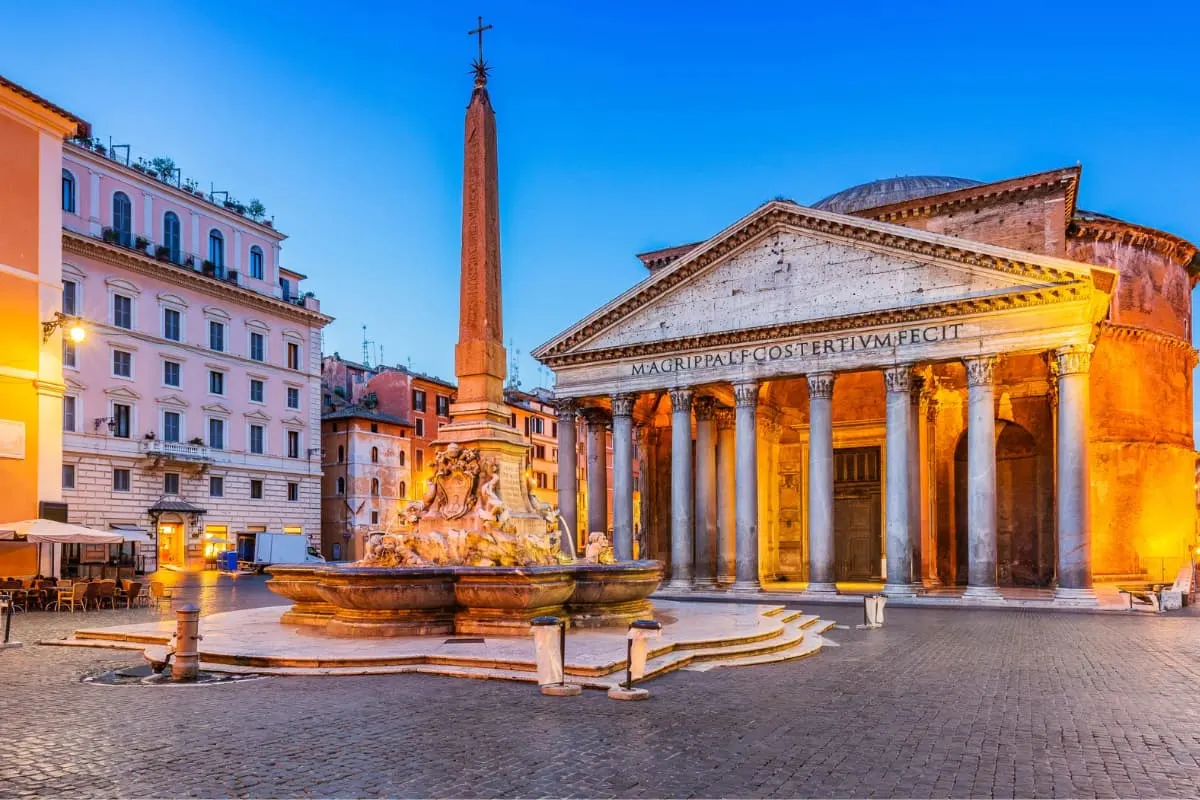
We start this route with one of the most extraordinary and ingenious buildings of ancient Rome still standing: the Pantheon of Agrippa, or simply the Pantheon. Completed in 126 AD by order of the emperor Hadrian, it now serves as a Catholic church.
Its huge dome, 43.44 m across and one of the largest in the world, plus a handsome facade and remarkable state of preservation, make an immediate impression. Inside, you'll find royal tombs, statues, frescoes, marbles, mosaics and more.
2. The Imperial Forums
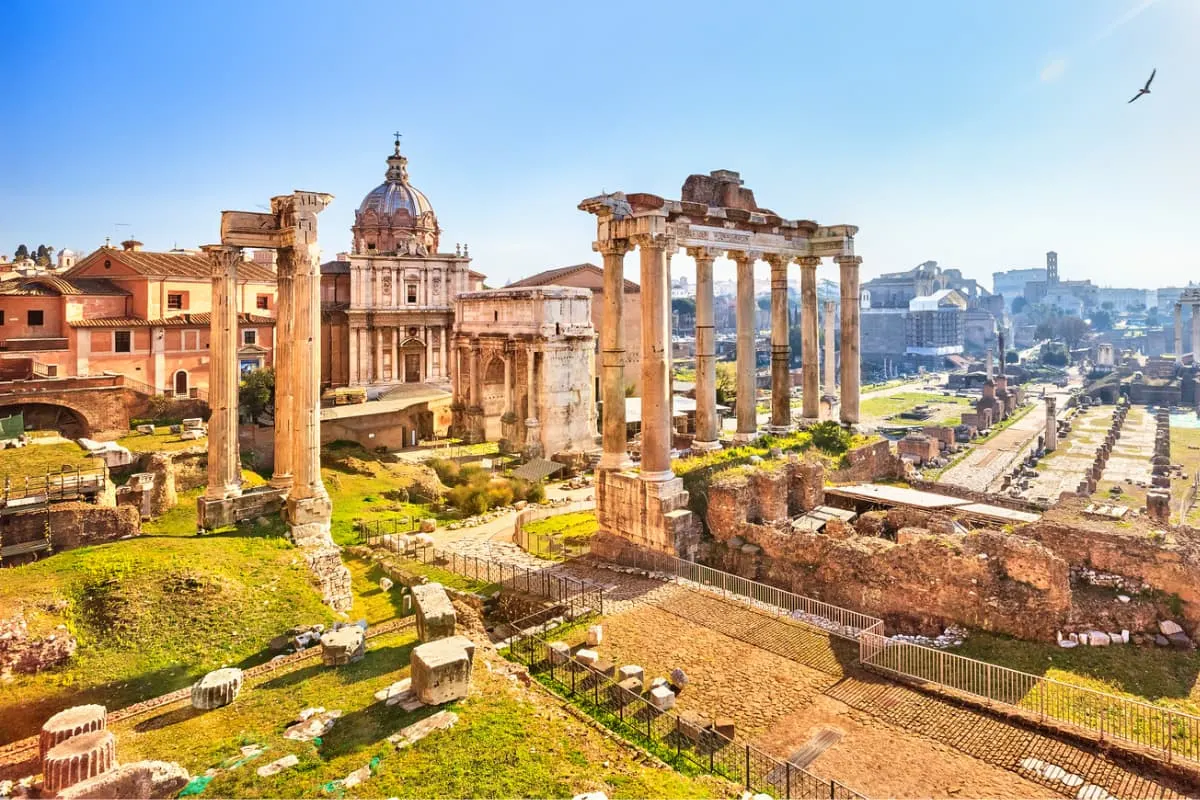
The expansion of the Roman Forum began with the Forum of Caesar (46 BC) and continued with the forums of Augustus, Nerva and Trajan. So were born the Imperial Forums, an architectural complex that bears witness to the history, art, engineering and politics of ancient Rome.
With the end of the empire, the Imperial Forums fell into disuse, becoming first pasture land and later marble quarries for the palaces of the Curia. They were finally restored in the 19th century, and today they rank among the unmissable monuments of ancient Rome.
3. Domus Aurea
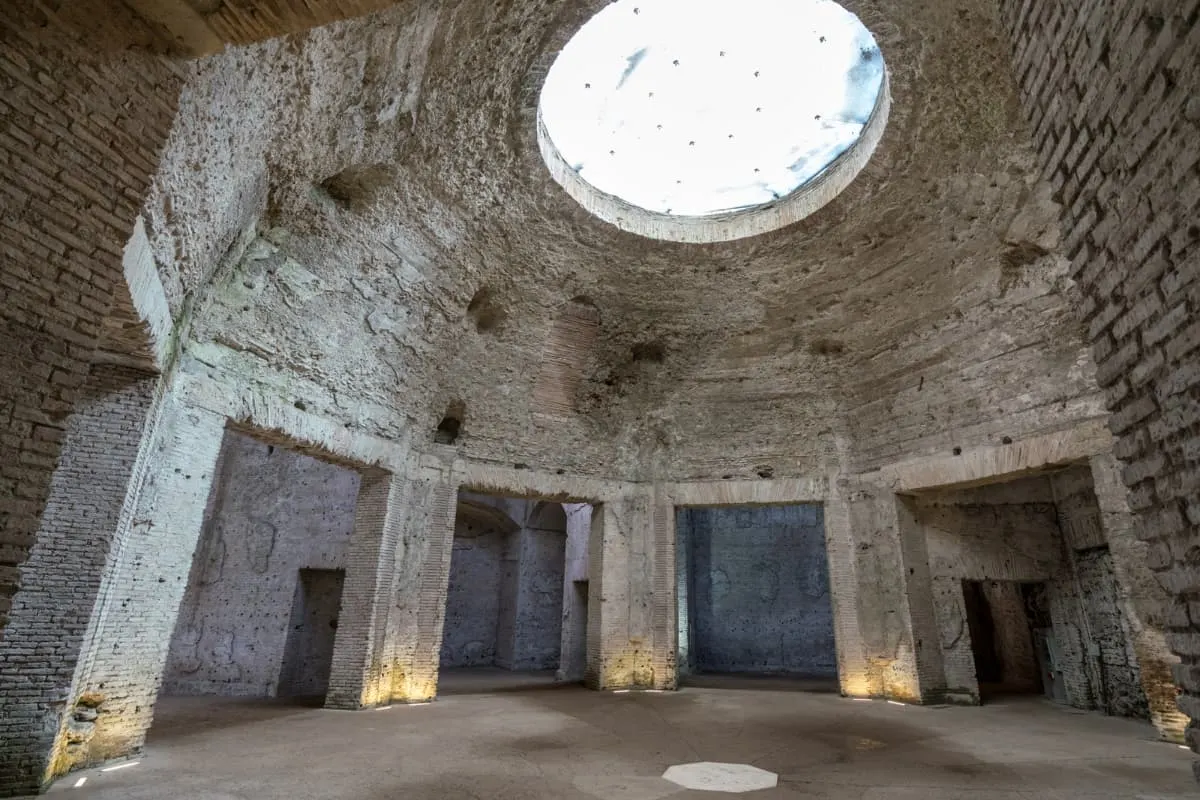
The Domus Aurea, known as the Golden House, was a lavish residence built by the emperor Nero in the 1st century AD. It stood out among ancient Roman buildings for its extravagant scale, exquisite decoration and innovative technology.
In its day it showcased Nero's opulence and megalomania, with frescoes, hanging gardens and rooms such as the octagonal hall and the revolving dining room. Much of it still lies buried, yet it continues to fascinate visitors and historians alike.
4. The Colosseum
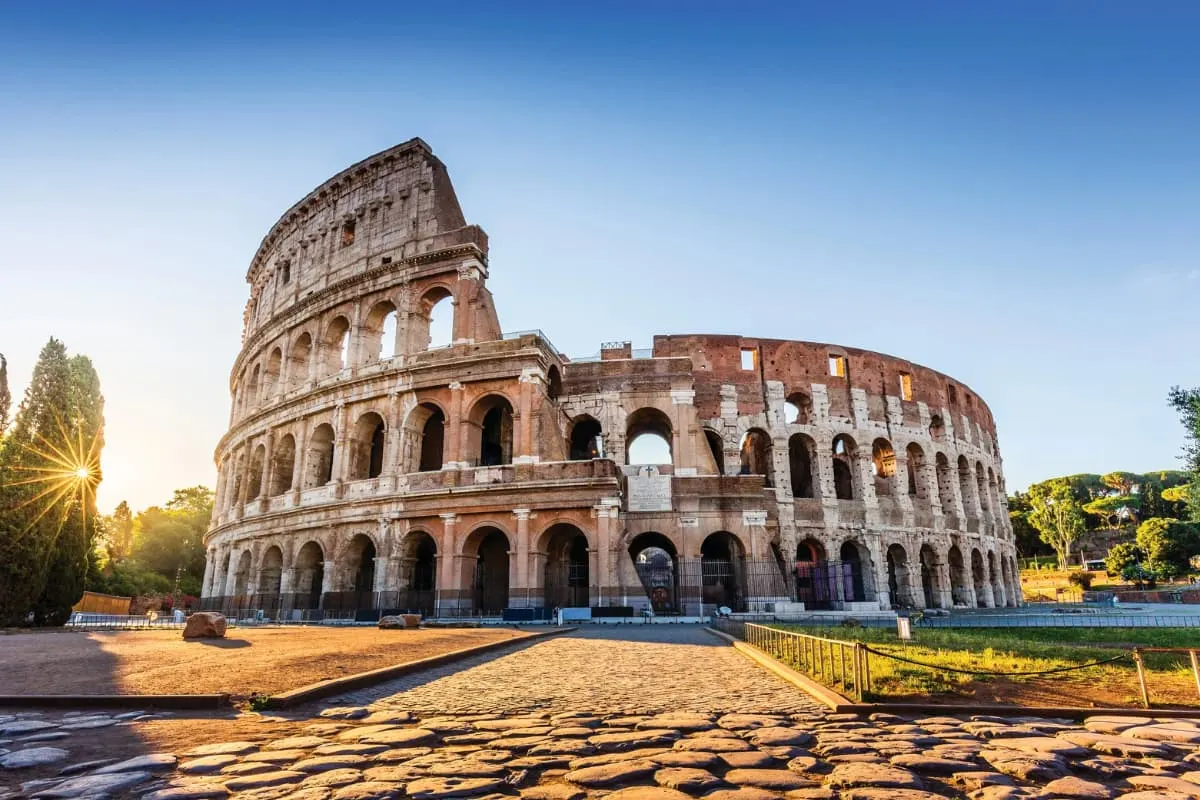
The Flavian Amphitheater, built in the 1st century AD, is still the largest in the world. A colossal statue that once stood nearby gave the Colosseum (70-72 AD) its name, and this was the stage for the legendary gladiator fights that entertained the masses.
A visit to this gem among the monuments of ancient Rome belongs on your itinerary if you want to travel 2,000 years back in time and feel like a true Roman.
5. Circus Maximus
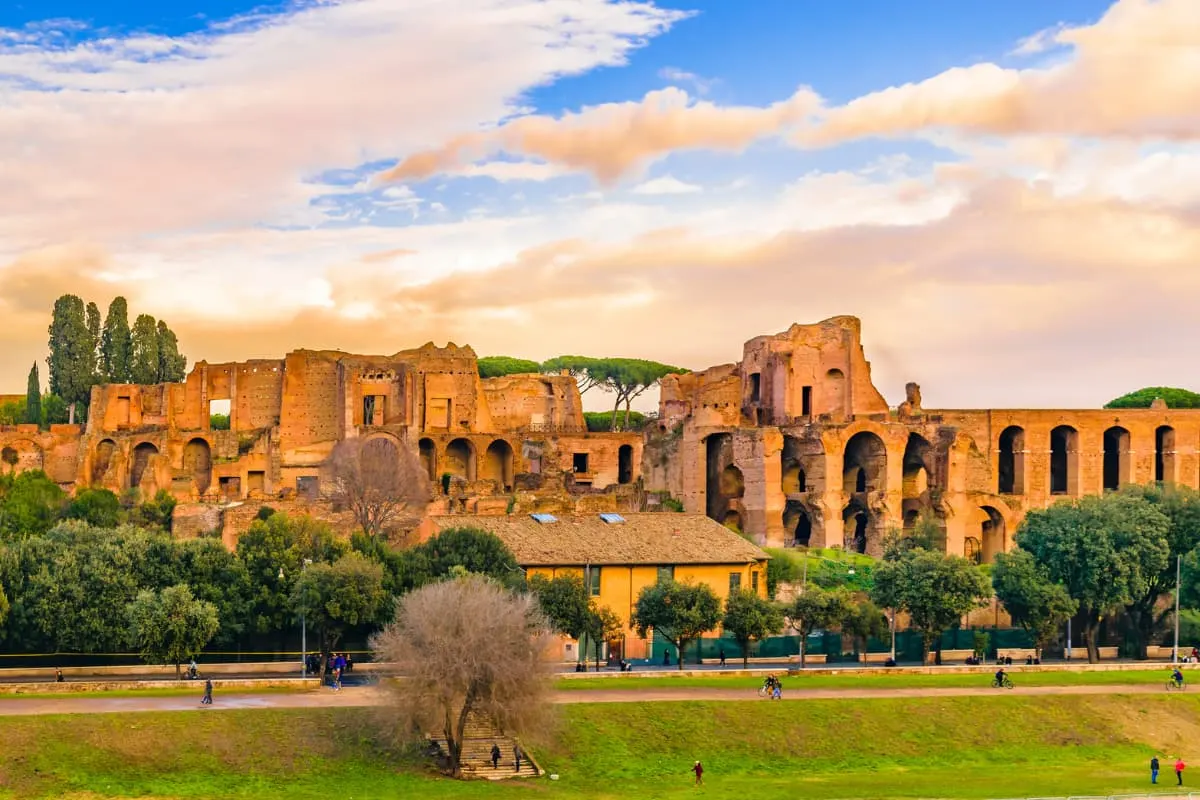
Built in the 6th century during the reign of Tarquinius Priscus, the Circus Maximus once worked as a chariot racing stadium. Today it's a public park that occasionally hosts concerts, but back then it was the center of Rome's public games.
Its capacity of 150,000 spectators was staggering, and it also hosted gladiator shows and religious processions. More recently, The Rolling Stones played here in 2014, and in 2006 Italy's World Cup victory was celebrated on this spot.
6. Via Appia
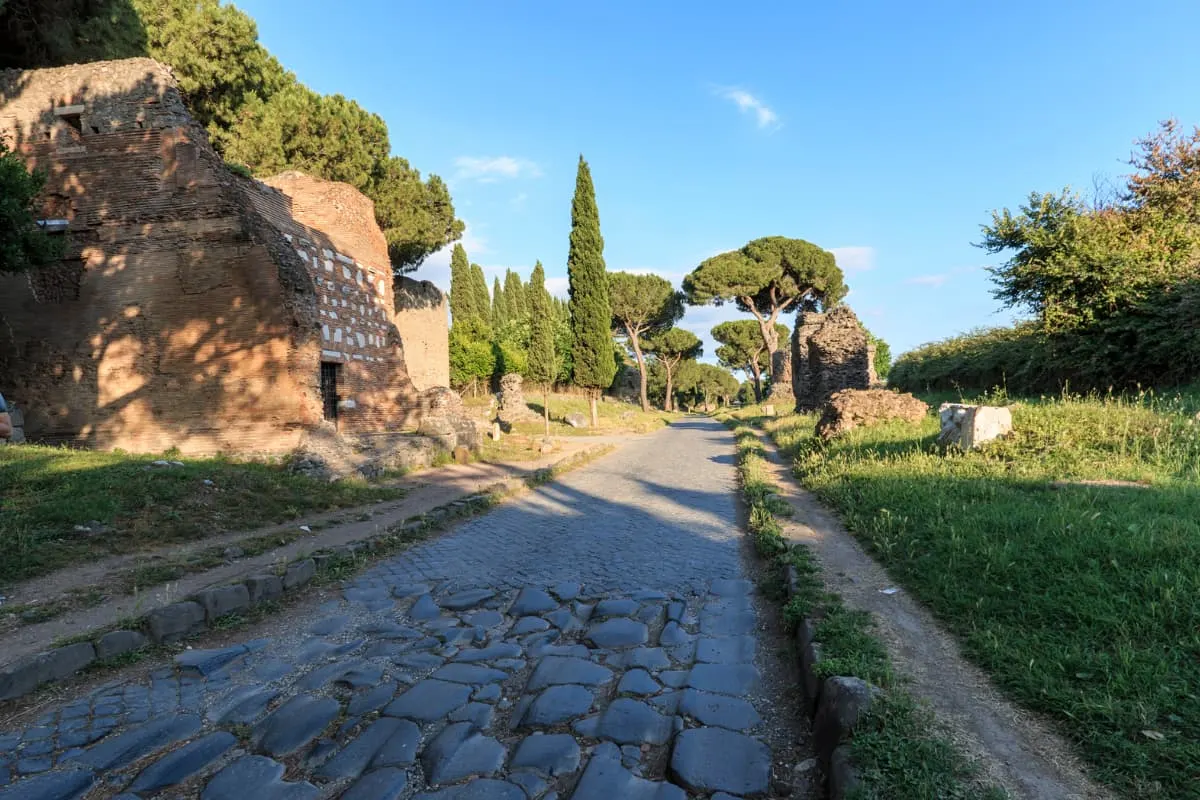
The Via Appia (312 BC) is considered one of ancient Rome's most important works from a strategic point of view, since it connected Rome with Brindisi in southern Italy.
Rightly known as the «Queen of Roads», it was first built for military purposes during the Samnite Wars. It survives in excellent condition and now draws visitors from all over the world to walk the same road as Julius Caesar.
The best place to see the Via Appia is the Appia Antica Regional Park, about a 7-minute drive or a 35-minute walk from the Circus Maximus. Entry is free.