
Car Rental in Rome: How to Save on Getting Around
Car Rental in Rome: How to Save on Getting Around
Contenidos de esta página sobre Roma
- How to save on transport within Rome
- Single ticket or travel pass: do the math before you buy
- The Omnia Card: transport included if you're visiting several monuments
- Watch out for the ZTL if you rent a car in the city
- Taxis and airport transfers
- When is renting a car worth it for day trips near Rome?
- Tips for saving when you rent a car in Rome
- Compare before you book
- The new no-deposit-hold filter
- Check the insurance carefully
- Why we use Discovercars
- 4 day trips near Rome that are ideal by car
- Pompeii
- Herculaneum
- Ostia Antica
- The Castelli Romani
- Tivoli
- The bottom line
Rome can be an expensive city if you don't know how to get around it. Between metro and bus tickets, taxis at tourist prices and airport transfers, transport costs can climb fast, even on a short trip. But the answer isn't the same for everything: inside the historic center, walking or using public transport is usually cheapest (and quickest); to head out of the city and explore the surrounding area, on the other hand, a rental car can save you far more than it might seem at first glance.
For that part of the trip, we always book with Discovercars, a comparison site that lets us see at a glance the different companies operating in Rome and pick the option that fits our itinerary best, without having to check rates manually across several websites.
In this article we explain how to save on both fronts: getting around Rome and organizing day trips nearby.
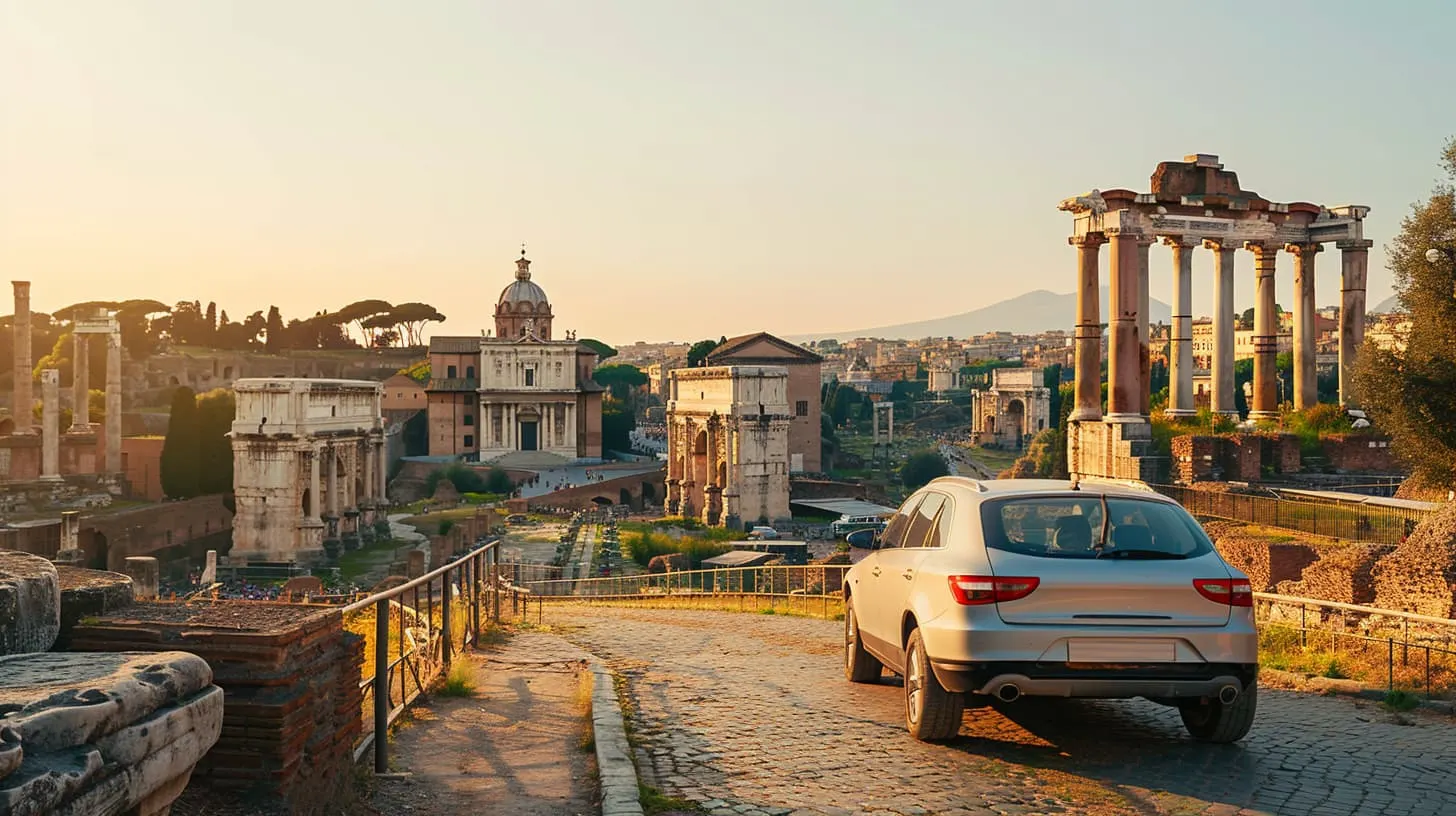
How to save on transport within Rome
Single ticket or travel pass: do the math before you buy
Rome's transport system has several ticket types: the single ticket (BIT), valid for 100 minutes with transfers included, and passes for 24, 48 or 72 hours, or a weekly one. A single ticket costs around €1.50, while multi-day passes generally run from about €7 (24h) to €20-24 (72h).
We recommend checking the current price on the official ATAC website before your trip, as these fares change constantly.
The key is to do the math: if you're not going to travel much (Rome's historic center is very compact and easy to cover on foot), single tickets may work out cheaper than a multi-day pass you never get your money's worth from. If you do plan to move around a lot, the pass pays off.
The Omnia Card: transport included if you're visiting several monuments
If your plan includes the Vatican as well as the monuments in central Rome, another option worth considering is the Omnia Card, which combines the Roma Pass with entry to the Vatican Museums and the Sistine Chapel. It includes unlimited public transport for 72 consecutive hours, the Hop-on Hop-off tourist bus for the same period, and free access to two additional attractions of your choice (for example, the Colosseum with the Roman Forum and Palatine Hill, or Castel Sant'Angelo), plus discounts at other museums.
It costs around €149 per adult (€69 for children aged 6 to 17), so it only makes sense if you're really going to use several of those attractions and the included transport; if your plan is lighter, paying separately will probably work out cheaper.
Watch out for the ZTL if you rent a car in the city
This point matters: Rome's historic center has a Zona a Traffico Limitato (ZTL), a restricted traffic zone monitored by cameras where only authorized vehicles can drive at certain times. Entering without a permit can mean a fine.
So if you're renting a car, the usual and sensible approach is to leave it parked (or simply not pick it up) while you're getting around Rome, and use it only to come and go from the city or for day trips nearby.
Taxis and airport transfers
Official taxis have fixed fares for trips to Rome's main airports (Fiumicino and Ciampino), but outside those routes the price depends on the meter and can shoot up at rush hour or in traffic.
For the Fiumicino-city center run, the Leonardo Express train is a direct, non-stop alternative, though it doesn't accept standard urban public transport tickets (it's a separate ticket). Comparing the cost of a private transfer booked in advance against grabbing a taxi at the airport door can also save you money, especially if you're traveling as a group.
When is renting a car worth it for day trips near Rome?
This is where a rental car really proves its worth. Many of the most interesting places near Rome can be visited by public transport or on an organized tour, but both options have limits: regional trains aren't always frequent, group tours run on fixed schedules and don't always stop where you want, and if there are several of you, the per-person cost of a private tour can be considerably higher than splitting a car rental among the group.
If there are 2, 3 or 4 of you and you want to see more than one place in a single day without being tied to regional train timetables or a tour bus, a car usually works out cheaper and gives you far more freedom to decide how long to spend in each spot.
Tips for saving when you rent a car in Rome
Compare before you book
As in any destination, don't settle for the first option. A comparison site like Discovercars lets you see at a glance several rental companies operating in Rome, with the final price and what each offer actually includes, rather than comparing only the base rate.
The new no-deposit-hold filter
One of the biggest deterrents when renting a car is the security deposit hold on your credit card, which in many cases can stay blocked for several days. Discovercars now offers an option designed for exactly this: when searching for your car, you can filter by «No deposit», a setup that avoids the hold on your credit card and is also handy for anyone traveling without a credit card of their own.
This option has to be selected online when you book, so it's worth switching the filter on before you start comparing prices.
Check the insurance carefully
As always, look at the excess on the basic included insurance and compare what it would cost to add full coverage at the time of booking versus taking it out at the counter (which is usually a good deal pricier).
Why we use Discovercars
In our experience, what we value most about this comparison site is the transparency: each result clearly shows the final price, the insurance excess and reviews from other travelers about that specific rental office.
It's the most visited independent car rental comparison site worldwide, present in more than 50,000 locations across 164 countries, with a rating of 4.6/5 from over 250,000 reviews on Trustpilot.
4 day trips near Rome that are ideal by car
Pompeii
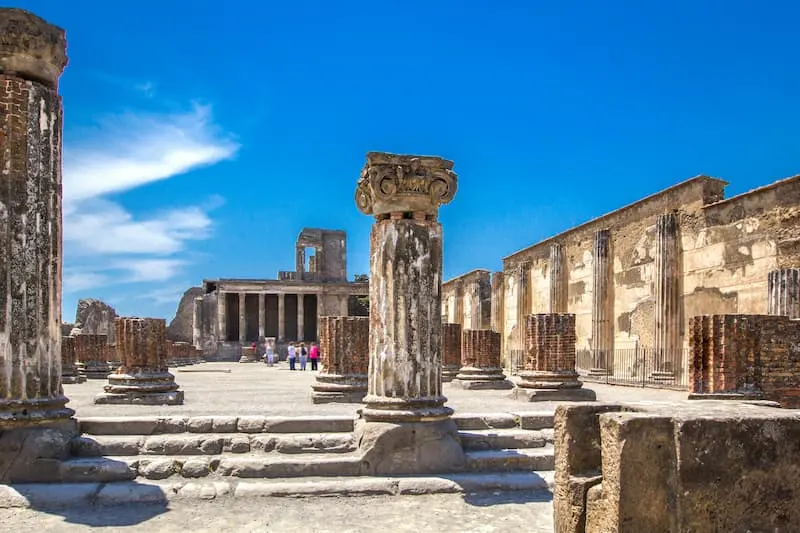
The ruins of Pompeii are just under two and a half hours from Rome by car (the exact distance depends on your route, but budget for that much). It's a long day trip, so a car lets you set off early, spend as long as you like at the site and head back whenever you want, without being tied to a train timetable or a tour with fixed stops.
Herculaneum
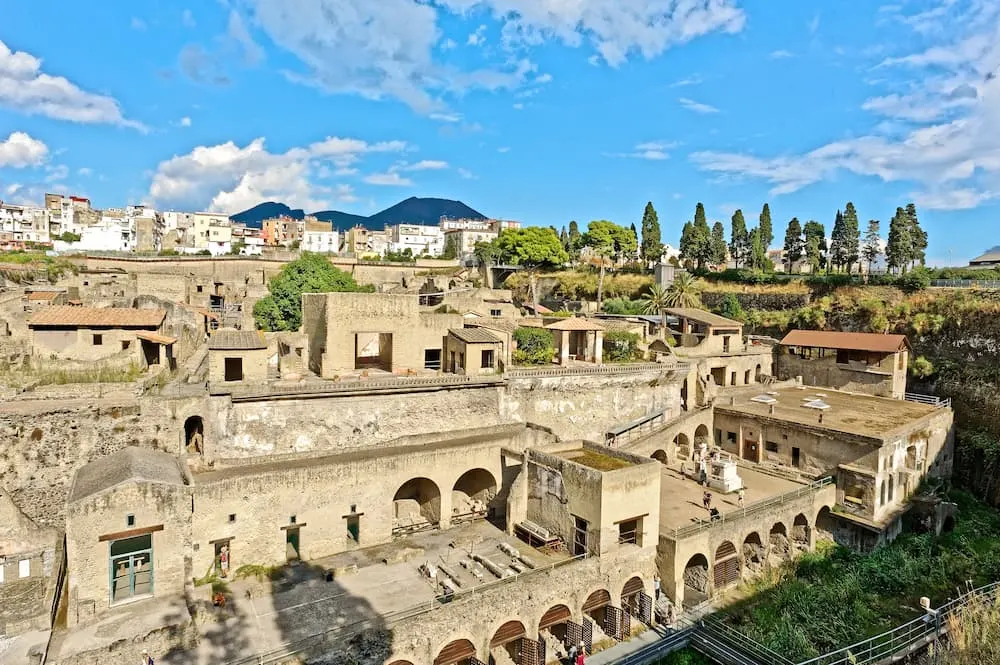
A few minutes from Pompeii (and a similar drive from Rome, a little under two and a half hours), Herculaneum is another archaeological site buried by the eruption of Vesuvius. It's much smaller and less crowded than Pompeii, but exceptionally well preserved, including wooden structures and upper floors that didn't survive at Pompeii.
Since the two are so close together, many travelers combine them in a single day trip, which is far more comfortable by car than juggling two separate train journeys.
Ostia Antica
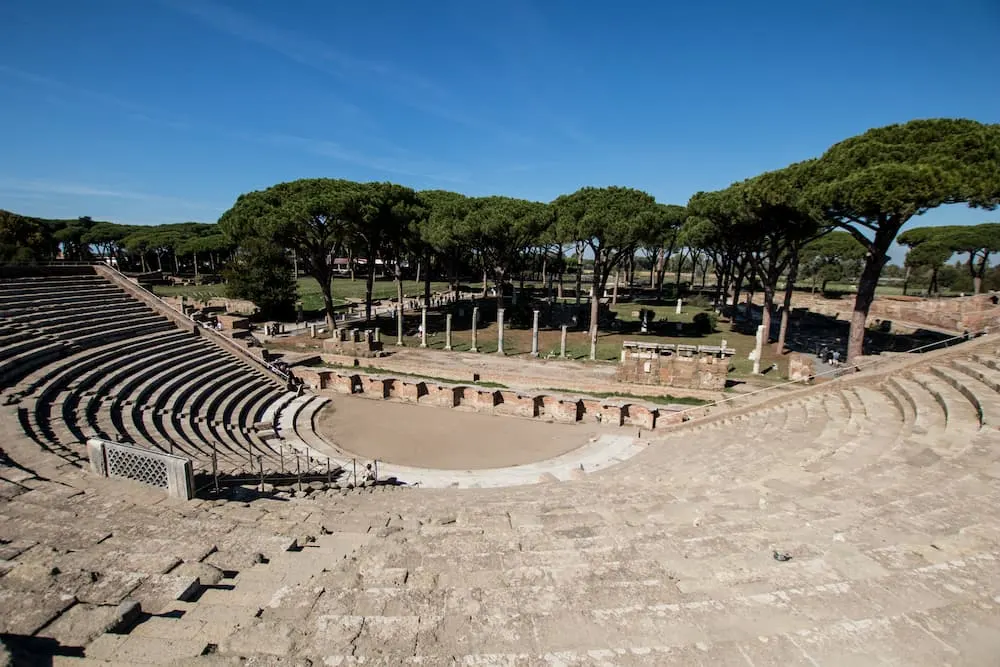
Much closer than Pompeii (just over half an hour from Rome), Ostia Antica is a less crowded archaeological site and perfect for a half-day trip. You can also get there on the suburban train, but going by car lets you combine it with a stop on the nearby coast (Ostia Lido) the same day.
The Castelli Romani
An area of charming towns in the hills southeast of Rome, such as Frascati (famous for its white wine) and Castel Gandolfo (the papal summer residence, on the shore of Lake Albano). Public transport between the towns is limited, so a car lets you string together two or three of them in an afternoon without relying on bus connections.
Tivoli
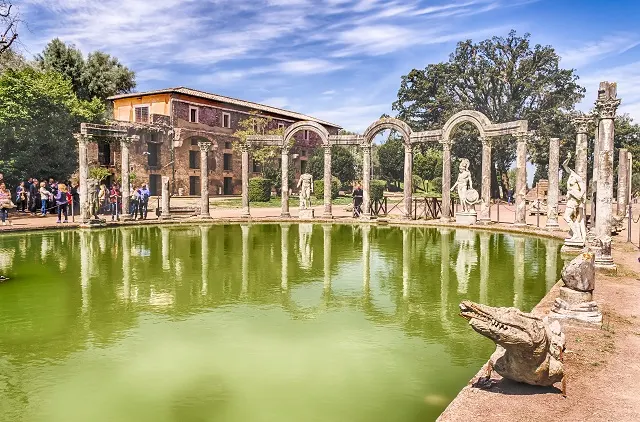
About 40 to 50 minutes from Rome by car, Tivoli is home to two UNESCO World Heritage sites: Villa d'Este (famous for its gardens and fountains) and Hadrian's Villa. You can get there by train and bus, but seeing both villas in one day on public transport means a lot of waiting around. With a car, you set your own pace and get far more out of the day.
The bottom line
Getting around Rome doesn't have to be expensive if you choose well: public transport or single tickets depending on how much you plan to move around the city, and a rental car for day trips to the surrounding area, where it really makes a difference in time and freedom. The best day trips from Rome are just a drive away, and having a car lets you make far more of the days you spend outside the historic center.
If you're thinking of booking, start by comparing on Discovercars: you see the real all-in price and you can filter directly for the no-deposit-hold-on-your-card option, so there are no last-minute surprises.